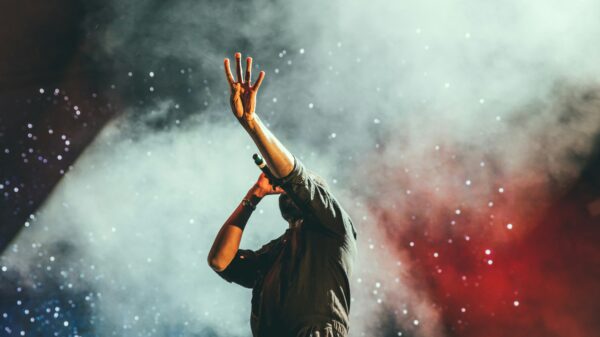

A rave is an electronic dance music party or event featuring DJs, live electronic performances, immersive lighting and visual effects, and a community-focused atmosphere built on the principles of Peace, Love, Unity, and Respect (PLUR). While modern raves range from intimate underground warehouse parties to massive commercial festivals like Tomorrowland and Electric Daisy Carnival, they all share common DNA: electronic music, communal dancing, visual spectacle, and an inclusive, judgment-free environment.
This comprehensive guide explores everything you need to know about rave culture—from its origins in 1980s acid house warehouses to today's global EDM festival circuit drawing millions of attendees worldwide.
Table of Contents
- What Defines a Rave?
- The History of Rave Culture
- PLUR: The Philosophy of Rave Culture
- Music Genres at Raves
- Types of Raves: Underground vs. Commercial
- Major EDM Festivals and Raves Worldwide
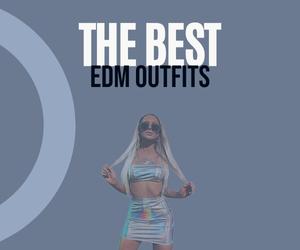
- Rave Fashion and Self-Expression
- Kandi Culture and Rave Traditions
- Safety at Raves: Harm Reduction
- How to Attend Your First Rave
- Rave Terminology and Slang
- The Future of Rave Culture
- Frequently Asked Questions
What Defines a Rave? {#definition}
Core Elements of a Rave
A rave is characterized by several defining features that distinguish it from typical concerts or nightclub experiences:
1. Electronic Dance Music (EDM)
- Continuous DJ sets (not live bands with breaks)
- Multiple genres: house, techno, trance, drum & bass, dubstep, hardstyle
- Music mixed seamlessly for uninterrupted dancing
2. Extended Duration
- Often all-night events (midnight to sunrise)
- Multi-day festivals (2-3 days common)
- Some warehouse raves run 12+ hours continuously
3. Immersive Audiovisual Production
- Powerful sound systems with massive subwoofers
- Laser light shows and LED wall displays
- Projected visual art and video mapping
- Fog machines, strobes, and special effects
- Often rivals concert production quality
4. Community-Focused Atmosphere
- PLUR philosophy (Peace, Love, Unity, Respect)
- Inclusive, judgment-free environment
- Communal dancing (not performance-based)
- Emphasis on collective experience over individual ego
5. Distinctive Venues
- Original: Warehouses, abandoned buildings, open fields
- Modern: Purpose-built festival grounds, clubs, arenas
- Underground: Secret locations announced day-of via phone lines or social media
Rave vs. Concert vs. Club
How raves differ from concerts:
- Continuous music (no set breaks)
- Focus on communal dancing, not watching performers
- DJs often not spotlit (music > personality)
- Longer duration (6-72 hours vs. 2-3 hours)
How raves differ from nightclubs:
- Less alcohol-focused (many are all-ages or 18+)
- Larger scale (thousands vs. hundreds)
- More elaborate production and visuals
- Community ethos vs. VIP/bottle service culture
The modern distinction:
- “Rave” = Underground, intimate, illegal/unlicensed events
- “Festival” = Large-scale, commercial, permitted events
- Both are still called “raves” colloquially by attendees
- The spirit and culture connect them despite size differences
The History of Rave Culture {#history}
Origins: Chicago Acid House and Detroit Techno (1980s)
The seeds of rave culture were planted in Chicago and Detroit during the mid-1980s:
Chicago Acid House (1985-1987)
- Born in gay and African-American clubs
- The Warehouse club (namesake of “house music”)
- Pioneers: Frankie Knuckles, Marshall Jefferson, DJ Pierre
- Sound defined by Roland TB-303 synthesizer's “squelch”
- Phuture's “Acid Tracks” (1987) = first acid house record
Detroit Techno (1985-1988)
- Created in post-industrial Detroit warehouses
- Pioneers: Juan Atkins, Derrick May, Kevin Saunderson (“The Belleville Three”)
- Futuristic, minimalist electronic sound
- “Techno: The New Dance Sound of Detroit” compilation (1988)
- Underground Resistance collective kept techno's rebellious spirit
The UK Explosion: Second Summer of Love (1988-1989)
Rave culture exploded in the United Kingdom during the legendary “Second Summer of Love”:
How It Started
- British DJs discovered acid house in Ibiza clubs (1987)
- Paul Oakenfold, Danny Rampling, Nicky Holloway returned to UK
- Danny Rampling opened Shoom club (December 5, 1987)
The Warehouse Movement (1988-1989)
- After-hours clubs illegal under UK licensing laws
- Police raided legal clubs → parties moved to warehouses
- Abandoned industrial spaces became temporary “clubs”
- Information spread via:
- Word of mouth
- Pirate radio stations (Kiss FM, Sunrise, Centreforce)
- Flyers with cryptic location codes
- Mobile pagers (newly popular)
- Phone “party lines” with venue info day-of
The M25 Orbital Raves
- Massive outdoor parties in fields around London's M25 motorway
- Promoters: Sunrise, Biology, Energy, Genesis, Weekend World
- 5,000-25,000 attendees at peak
- Secret locations announced via phone lines hours before
- Featured massive sound systems, fairground rides, multiple DJs
The Soundtrack
- Acid house tracks: “Phuture – Acid Tracks,” “S'Express – Theme from S'Express”
- Hip house: “Tyree Cooper – Turn Up The Bass”
- Classic house: “Lil Louis – French Kiss,” “Inner City – Good Life”
MDMA and the Cultural Shift
- Ecstasy (MDMA) became synonymous with acid house
- Created feelings of empathy, love, connection
- Reduced violence → football hooligans danced instead of fought
- “Can you feel it?” = catchphrase of the era
Government Crackdown
- Media moral panic: The Sun's “Evils of Ecstasy” (October 1988)
- Police raids increased dramatically
- Entertainments (Increased Penalties) Act 1990
- Fines increased from £2,000 to £20,000
- 6 months imprisonment for organizers
- Effectively criminalized unlicensed raves
The American Rave Scene Emerges (1989-1993)
New York's Storm Raves
- Frankie Bones brought UK rave culture to Brooklyn (1989-1993)
- Warehouse parties in industrial Brooklyn
- Birth of “PLUR” (see PLUR section below)
- Hardcore techno and jungle/drum & bass thrived
Los Angeles Underground
- Moontribe full moon desert gatherings (1993)
- SOMA district warehouse parties (San Francisco)
- Massive “Massive” parties at airplane hangars
1990s Expansion
- Raves spread to every major US city by mid-1990s
- Smaller than UK (hundreds vs. thousands)
- More diverse music: happy hardcore, trance, breakbeat
- Florida breaks scene, Midwest techno, West Coast trance
Late 1990s-2000s: Commercialization and Legal Venues
The Shift
- Unlicensed raves → legal club nights and festivals
- Promoters obtained proper permits
- Safety regulations and security implemented
- Larger budgets = better production
Key Developments
- Electric Daisy Carnival founded (1997, Los Angeles)
- Ultra Music Festival founded (1999, Miami)
- European festivals: Tomorrowland (2005), Mysteryland ongoing
- “EDM” term popularized to make electronic music mainstream
The RAVE Act (2003)
- US “Reducing Americans' Vulnerability to Ecstasy Act”
- Made venue owners liable for drug use at events
- Chilled underground rave scene temporarily
- Pushed culture toward legal, regulated festivals
2010s-Present: The Global EDM Festival Era
Explosive Growth
- EDM becomes mainstream music genre
- Festivals draw 100,000-400,000+ attendees
- Corporate sponsorships and partnerships
- Live streaming brings raves to millions globally
The Underground Persists
- Secret warehouse raves still happen in major cities
- “Loft” and “after-hours” scenes thrive
- Desert parties (Burning Man, California desert gatherings)
- Squat raves in Europe
- “Free parties” keep DIY rave spirit alive
PLUR: The Philosophy of Rave Culture {#plur}
PLUR stands for Peace, Love, Unity, Respect — the moral and social code that guides behavior at raves and defines the community's values.
The Origin of PLUR
The Birth (1990)
- DJ Frankie Bones coined the term at a Storm Rave in Brooklyn
- June 1990: fight broke out during his set
- Bones stopped the music, grabbed the mic, and shouted:
- “If you don't start showing some peace, love, and unity, I'll break your faces!”
- Originally “PLU” (Peace, Love, Unity)
- “Respect” added by online rave communities in late 1990s/early 2000s
- Became “PLUR” and spread globally
Cultural Roots
- Peace & Love: Borrowed from 1960s hippie movement
- Unity: Echoes black and hip-hop culture's communal values
- Respect: Added to emphasize boundaries, consent, inclusivity
What Each Letter Means
P = PEACE
- Creating conflict-free, harmonious environment
- Letting go of aggression and negativity
- Resolving disputes calmly and respectfully
- Maintaining positive energy on the dance floor
- No fighting, no drama, no judgment
L = LOVE
- Unconditional love and acceptance of all people
- Spreading kindness through small gestures
- Hugging strangers (with consent)
- Complimenting others freely
- Sharing resources (water, gum, charging cables)
- Celebrating each person's authentic self
U = UNITY
- Coming together as one community
- Welcoming everyone regardless of background
- Dancing together without barriers
- Celebrating diversity while feeling connected
- “We're all here for the music”
- Collective experience over individual ego
R = RESPECT
- Respecting personal boundaries and consent
- Treating others as you wish to be treated
- Respecting the venue, staff, and environment
- Honoring people's limits and space
- Supporting harm reduction and safety
- Accepting people without judgment
How PLUR is Practiced
The PLUR Handshake A ritual greeting and kandi bracelet exchange with specific movements:
- Peace: Both people make peace signs (✌️), touch fingertips together
- Love: Each makes half a heart shape, connect to form full heart (❤️)
- Unity: Press palms together, fingers interlaced, holding hands
- Respect: Interlace all fingers tightly together
- Exchange: Trade kandi bracelets from one wrist to the other
- Connection: Often ends with a hug or friendly introduction
Everyday PLUR Actions
- Helping someone who's lost their friends
- Giving water to someone overheating
- Guiding someone having a difficult experience to medical tent
- Picking up trash even if not yours
- Sharing phone charger at festival
- Looking out for consent violations and speaking up
PLUR Beyond Raves The philosophy extends to daily life for many ravers:
- Practicing kindness in everyday interactions
- Building inclusive communities
- Resolving conflicts peacefully
- Respecting diversity and individual expression
Music Genres at Raves {#music}
Raves feature a vast spectrum of electronic dance music genres, each with distinct sounds and subcultures:
Foundational Genres
House Music (125-130 BPM)
- Origin: Chicago, 1980s
- Four-on-the-floor kick drum pattern
- Soulful, melodic, often vocal-driven
- Subgenres: Deep house, tech house, progressive house, future house
- Key Artists: Carl Cox, Jamie Jones, Green Velvet, Claude VonStroke
Techno (125-150 BPM)
- Origin: Detroit, 1980s
- Darker, more industrial and minimalist than house
- Repetitive, hypnotic rhythms
- Subgenres: Minimal techno, industrial techno, hard techno
- Key Artists: Charlotte de Witte, Adam Beyer, Amelie Lens, Richie Hawtin
Trance (128-145 BPM)
- Melodic, euphoric, often with buildups and “hands-in-the-air” moments
- Breakdown-buildup-drop structure
- Subgenres: Progressive trance, uplifting trance, psytrance, tech trance
- Key Artists: Armin van Buuren, Above & Beyond, Aly & Fila, Vini Vici
High-Energy and Bass Genres
Drum & Bass / Jungle (160-180 BPM)
- Extremely fast breakbeats
- Heavy basslines
- UK originated (early 1990s)
- Subgenres: Liquid drum & bass, neurofunk, jump-up
- Key Artists: Andy C, Netsky, Sub Focus, Chase & Status
Dubstep (140 BPM)
- Half-time rhythm (feels slower than 140 BPM)
- Wobbly basslines, “wobble” and “drop”
- Subgenres: Riddim, brostep, deep dubstep
- Key Artists: Excision, Subtronics, Svdden Death, REZZ
Hardstyle (150-160 BPM)
- Hard-hitting kicks, distorted sounds
- Euphoric melodies with aggressive bass
- Huge in Netherlands
- Key Artists: Headhunterz, Brennan Heart, Wildstylez
Happy Hardcore / UK Hardcore (160-180 BPM)
- High-pitched vocals, euphoric melodies
- Fast tempo, “happy” vibes
- 1990s UK rave staple
Modern Mainstream EDM
Big Room House (126-132 BPM)
- Anthemic drops, festival-ready sound
- Simple, impactful melodies
- Key Artists: Martin Garrix, Hardwell (retired), W&W
Future Bass / Melodic Dubstep (140-150 BPM)
- Emotional, melodic, “feels”-driven
- Supersaws and vocal chops
- Key Artists: Illenium, Seven Lions, Porter Robinson, Madeon
Bass House (125-128 BPM)
- Heavy basslines with house rhythm
- Festival favorite, energetic
- Key Artists: Jauz, AC Slater, Habstrakt
Underground and Experimental
Breakbeat / Breaks (125-140 BPM)
- Syncopated, non-four-on-the-floor rhythms
- Florida breaks, nu skool breaks
- Key Artists: Krafty Kuts, Stanton Warriors
Psytrance (135-150 BPP)
- Hypnotic, trippy, spiritual
- Associated with Goa/India scene, transformational festivals
- Key Artists: Infected Mushroom, Astrix, Vini Vici
Minimal / Microhouse (125-130 BPM)
- Stripped-down, subtle, groove-focused
- For heads-down dancing
- Key Artists: Richie Hawtin, Ricardo Villalobos
Types of Raves: Underground vs. Commercial {#types}
Underground / Illegal Raves
Characteristics:
- Secret locations (announced hours before via phone/text/social)
- Unlicensed, unpermitted events
- Abandoned warehouses, industrial buildings, forests, deserts
- DIY production (ravers bring sound systems)
- Free or low-cost entry ($5-$20)
- No corporate sponsors
- Tighter, more intimate community (100-2,000 people)
- Higher risk of police raids and shutdowns
Why They Still Exist:
- Preserve the original rebellious rave spirit
- Avoid commercialization and high ticket prices
- Freedom from regulations and corporate control
- More experimental music (no mainstream headliners)
- Authentic community over profit
Examples:
- Brooklyn warehouse parties (NYC)
- Desert raves (California, Nevada)
- Squat parties (Europe)
- “Free parties” (UK, France)
- Abandoned building raves (Detroit, Berlin)
Risks:
- No safety regulations or medical staff
- Fire hazards in abandoned buildings
- Police raids and arrests
- Unsafe structures, no emergency exits
- Quality of sound/production varies wildly
Legal Club Nights and Venues
Characteristics:
- Licensed nightclubs and indoor venues
- Proper permits, fire safety, security
- Regular events (weekly/monthly)
- $10-$40 entry
- 18+ or 21+ typically
- Alcohol served (but often secondary to music)
- Professional sound systems
- 100-1,500 capacity
Examples:
- Output (Brooklyn) – now closed
- Avant Gardner / Great Hall (Brooklyn)
- Sound Nightclub (Los Angeles)
- Exchange LA (Los Angeles)
- Spybar (Chicago)
- Stereo (Montreal)
Massive Commercial Festivals (50,000-400,000+ attendees)
The modern “rave” experience for most people:
Characteristics:
- Multi-day events (1-3 days)
- Multiple stages (5-10+)
- Expensive tickets ($200-$800+)
- Corporate sponsors
- Elaborate production (world-class sound, lasers, stages)
- Celebrity DJ headliners
- Camping or hotels
- Full medical and security staff
- All-ages or 18+
Major North American Festivals:
- Electric Daisy Carnival (EDC) Las Vegas: 525,000+ attendees, May
- Ultra Music Festival (Miami): 165,000+ attendees, March
- Electric Forest (Michigan): 45,000 attendees, June/July
- Lost Lands (Ohio): 40,000 attendees, September (bass music)
- Nocturnal Wonderland (California): 65,000 attendees, September
- Dreamstate (Southern California): 25,000 attendees, November (trance)
- Beyond Wonderland (SoCal): 65,000 attendees, March
Major International Festivals:
- Tomorrowland (Belgium): 400,000 attendees across 2 weekends, July
- Mysteryland (Netherlands): 130,000 attendees, August
- Creamfields (UK): 70,000 attendees, August
- Parookaville (Germany): 210,000 attendees, July
- Sunburn Festival (India): 350,000+ attendees, December
- Untold Festival (Romania): 375,000 attendees, August
Pros of Big Festivals:
- World-class production and stage design
- See 50-100+ artists in one weekend
- Safer (medical staff, security, harm reduction)
- Social experience (meet thousands of like-minded people)
- Camping and community building
- Legal and regulated
Cons of Big Festivals:
- Expensive ($300-$1,000+ with camping/travel)
- Commercialized (corporate sponsors everywhere)
- Crowded (long lines, packed stages)
- Less intimate than underground raves
- “Bro” culture can dilute PLUR at some events
- Mainstream lineups (less experimental music)
Transformational Festivals (5,000-70,000 attendees)
A hybrid between rave and spiritual gathering:
Characteristics:
- Music + art + workshops + wellness + community
- Yoga classes, meditation, sound baths
- Educational talks and activism
- Leave No Trace environmental ethics
- Anti-commercialism (often no logos/sponsors)
- Participatory art installations
- Emphasis on personal growth and consciousness
Examples:
- Burning Man (Nevada): 70,000 attendees, August/September
- Lightning in a Bottle (California): 20,000 attendees, May
- Symbiosis Gathering (Oregon/California): 12,000 attendees
- Envision Festival (Costa Rica): 8,000 attendees, February
- Boom Festival (Portugal): 40,000 attendees (biennial)
Music:
- Psytrance, downtempo, house, techno
- Focus on underground and experimental artists
- 24-hour music across multiple stages
Major EDM Festivals and Raves Worldwide {#festivals}
North America's Biggest Raves
Electric Daisy Carnival (EDC) Las Vegas
- When: Mid-May (Friday-Sunday, dusk to dawn)
- Where: Las Vegas Motor Speedway
- Attendance: 525,000+ across 3 nights
- Tickets: $400-$600 GA, $900-$1,500 VIP
- Stages: 8+ massive stages (kineticFIELD, circuitGROUNDS, cosmicMEADOW, etc.)
- Music: All genres (house, trance, dubstep, hardstyle, drum & bass, techno)
- Special Features: Carnival rides, art cars, fireworks, carnival performers
- Vibe: “Under the Electric Sky” — the flagship EDM festival experience
Ultra Music Festival (Miami)
- When: Late March (Friday-Sunday)
- Where: Bayfront Park, Downtown Miami
- Attendance: 165,000+ across 3 days
- Tickets: $450-$550 GA, $1,500+ VIP
- Stages: 8 stages (Main Stage, Live Stage, RESISTANCE, Worldwide Stage)
- Music: House, techno, trance, mainstream EDM
- Special Features: Waterfront location, world premiere sets, boat parties during Ultra Week
- Vibe: Spring break meets EDM festival, global DJ showcase
Electric Forest (Michigan)
- When: Late June (4 days/2 weekends)
- Where: Double JJ Resort, Rothbury, Michigan
- Attendance: 45,000 per weekend
- Tickets: $400-$500 + camping
- Music: Bass music, house, techno, jam bands
- Special Features: Sherwood Forest (magical forest with lights and art), transformational vibe
- Vibe: Community-focused, artistic, magical forest setting
Lost Lands (Ohio)
- When: Late September (Friday-Sunday)
- Where: Legend Valley, Thornville, Ohio
- Attendance: 40,000
- Tickets: $350-$400 + camping
- Music: Bass music only (dubstep, riddim, drum & bass)
- Created By: Excision (DJ/producer)
- Special Features: Prehistoric dinosaur theme, heaviest bass music lineup
- Vibe: Headbangers paradise, “bass family”
Europe's Premier Festivals
Tomorrowland (Belgium)
- When: 2 weekends in July (Friday-Sunday each)
- Where: Boom, Belgium (near Antwerp)
- Attendance: 400,000+ total (200,000 per weekend)
- Tickets: €300-€400 + travel packages €2,000+
- Stages: 15+ incredible themed stages
- Music: All EDM genres, world's biggest DJs
- Themes: Different theme each year (2025: “LIFE”)
- Special Features: Dreamville camping, unparalleled stage production
- Vibe: The Disneyland of EDM festivals, bucket-list event
Creamfields (UK)
- When: Late August (Thursday-Sunday)
- Where: Daresbury, Cheshire, England
- Attendance: 70,000
- Tickets: £200-£250 + camping
- Music: House, techno, trance, drum & bass
- Special Features: UK's largest EDM festival, legendary sets
- Vibe: British rave culture, diverse music
Mysteryland (Netherlands)
- When: Late August (Saturday-Sunday)
- Where: Haarlemmermeer
- Attendance: 130,000 across 2 days
- Music: House, techno, hardstyle, trance
- Special Features: Oldest dance festival in Netherlands (since 1993), by Tomorrowland team
- Vibe: Dutch rave culture, professional production
Parookaville (Germany)
- When: Mid-July (Friday-Sunday)
- Where: Weeze Airport, Germany
- Attendance: 210,000 across 3 days
- Music: House, hardstyle, techno, bass
- Special Features: Entire temporary “city” built with themed areas, own currency
- Vibe: Immersive world-building, German efficiency meets rave chaos
Asia and Global South
Sunburn Festival (India)
- When: Late December
- Where: Multiple cities across India (originated in Goa)
- Attendance: 350,000+
- Music: House, trance, techno
- Vibe: Asia's largest EDM festival, bringing global EDM to India
Djakarta Warehouse Project (Indonesia)
- When: December
- Where: Jakarta, Indonesia
- Attendance: 90,000 across 2 days
- Music: House, techno, bass
- Vibe: Southeast Asia's premier dance festival
S2O Songkran Music Festival (Thailand)
- When: April (during Songkran water festival)
- Where: Bangkok, Thailand
- Music: House, bass, trap
- Special Feature: World's largest water fight + EDM festival
- Vibe: Wet and wild, uniquely Thai experience
Rave Fashion and Self-Expression {#fashion}
Rave fashion is about radical self-expression, comfort, and creativity. There are no strict rules — anything goes.
Classic Rave Fashion Elements
1980s-1990s UK Acid House Era:
- Smiley face t-shirts (iconic symbol)
- Baggy jeans and hoodies
- Bandanas and bucket hats
- Fluorescent/neon colors
- Dungarees (overalls)
- Peace sign accessories
- “PLUR” and music-themed clothing
1990s American Rave (Cyber/Candy Raver Style):
- Kandi bracelets (bead bracelets stacked up arms)
- Phat pants (extremely wide-leg jeans)
- Platform sneakers (Buffalo boots)
- Pacifiers and lollipops (controversial, associated with MDMA)
- Bright, childlike colors (pink, rainbow, neon)
- Pigtails and space buns
- Cartoon character shirts
- Glow sticks and glow jewelry
Modern Rave Fashion (2010s-Present)
Festival Fashion Staples:
Women/Femme:
- High-waisted shorts or booty shorts
- Mesh tops, crop tops, bralettes
- Rave bodysuits (one-piece bodysuits)
- Holographic and sequined clothing
- LED accessories (fiber optic whips, LED gloves)
- Flower crowns and headbands
- Glitter and body gems
- Pashminas (scarves) for warmth and dancing
- Comfortable sneakers or boots (platforms popular)
- Fishnet stockings
- Face gems and festival makeup
Men/Masc:
- Tank tops, muscle tanks, shirtless
- Hawaiian/tropical shirts
- Athletic shorts or joggers
- Bandanas and bucket hats
- LED accessories and diffraction glasses
- Hydration packs (CamelBaks)
- Comfortable sneakers
- Face paint and body paint
Gender-Neutral Styles:
- All-over print clothing (trippy patterns)
- Tie-dye everything
- Neon and blacklight-reactive clothing
- Holographic and metallic fabrics
- Rave masks (full-face LED masks)
- Kandi bracelets, cuffs, necklaces
- Rave flags and totems (group identifiers)
- EL wire clothing
- Furry boots (yes, really)
Subgenre-Specific Fashion
Techno/Minimal Ravers:
- All black clothing
- Industrial aesthetic (leather, latex, harnesses)
- Minimal accessories
- Functional, durable clothing
- Berlin techno = black everything
Hardstyle/Hard Dance:
- Hardstyle merchandise (artist gear)
- Tracksuits (Adidas, sportswear)
- Hardcore gabber style
- Bright colors mixed with black
Psytrance/Transformational:
- Bohemian/hippie aesthetic
- Flowy pants, harem pants
- Tribal patterns and mandalas
- Natural fabrics
- Handmade and ethically-sourced
- Dreadlocks, feathers, natural materials
- Sacred geometry
Bass Music (Dubstep/Riddim):
- Streetwear and athleisure
- Artist merchandise
- Black and neon color schemes
- Hype beast style
- Basketball jerseys
Why Rave Fashion Matters
- Self-Expression: Wear what makes you feel authentic
- Comfort: Dance for 8+ hours — comfort is key
- Visibility: Bright colors help friends find you in crowds
- Community Signaling: Fashion shows which community you belong to
- Creativity: Outlet for artistic expression
- Body Positivity: Rave culture celebrates all bodies
Golden Rule: Wear whatever makes you feel confident and allows you to dance freely. There's no dress code beyond “be yourself.”
Kandi Culture and Rave Traditions {#kandi}
What is Kandi?
Kandi refers to handmade beaded bracelets, necklaces, cuffs, and other accessories made from colorful plastic pony beads. They're central to North American rave culture.
Anatomy of Kandi:
- Made from plastic pony beads (round, 9mm diameter)
- Alphabet letter beads spell words/phrases
- Bright, neon colors (rainbow spectrum)
- Often include:
- Positive messages: “PLUR,” “LOVE,” “UNITY”
- Artist names: “REZZ,” “ILLENIUM,” “TIESTO
- Funny phrases: “BAE CAUGHT ME RAVIN'”
- Inside jokes and memes
- Kandi cuffs: Multi-row bracelets (3D structures)
- Perlers: Melted bead designs (characters, logos)
Why Ravers Make and Trade Kandi
The Tradition:
- Ravers spend hours making kandi before festivals
- Each piece is handmade with intention
- Trading kandi = sharing a piece of yourself
- Creates connections and memories
- Physical token of a meaningful interaction
When to Trade Kandi:
- Meeting someone new who you vibe with
- During an especially magical moment in a set
- To thank someone for kindness (sharing water, helping)
- When you connect over shared music taste
- To commemorate a friendship
How to Trade: The PLUR Handshake (See PLUR section above)
What Kandi Represents:
- Memories: Each bracelet tells a story
- Community: Physical symbol of rave family
- Gifting: Economics of generosity (not buying/selling)
- Creativity: Artistic expression and pride in handmade work
- Connection: Tangible reminder of human connection
Other Rave Traditions
Totems and Flags
- Tall poles with signs, memes, jokes, or artwork
- Help friends find each other in massive crowds
- Become landmarks (“meet at the pickle Rick totem!”)
- Often hilarious inside jokes
- Creative expression
Rave Fam
- Close-knit friend groups that rave together
- “Rave fam” = your chosen family in the scene
- Often wear matching outfits or kandi
- Take care of each other at festivals
Ground Scores
- Finding lost items at festivals
- Etiquette: Return valuables if possible
- “Ground score” = finding something cool (kandi, toys)
Secret Sets and After-Parties
- DJs playing unannounced sets
- After-hours parties after festivals close
- Hotel parties during festival weekends
Safety at Raves: Harm Reduction {#safety}
Raves are generally safe, positive environments, but it's important to be informed and prepared.
Physical Safety
Hydration
- Dance for hours = dehydration risk
- Drink water regularly (1 bottle per hour)
- Signs of dehydration: dizziness, dry mouth, dark urine
- Avoid over-hydrating (hyponatremia)
Temperature Regulation
- Raves get HOT (thousands of dancing people)
- Take breaks in chill areas
- Wear breathable clothing
- Cool down outside periodically
Hearing Protection
- Sound systems are LOUD (100-110+ decibels)
- Wear earplugs (high-fidelity earplugs preserve sound quality)
- Recommended: Etymotic, Earasers, Eargasm
- Prevents tinnitus and hearing damage
Rest and Pacing
- Don't dance non-stop for 12 hours
- Take sitting breaks
- Eat food (protein and carbs)
- Know your limits
Medical Help
- All major festivals have medical tents
- Don't hesitate to seek help
- Medical amnesty policies (won't get arrested for seeking help)
Substance Safety (Harm Reduction)
Reality: Some people use substances at raves (MDMA, LSD, ketamine, alcohol). Harm reduction acknowledges this reality and provides safety information.
If You Choose to Use Substances:
- Test Your Substances
- Use reagent test kits (DanceSafe, Bunk Police)
- Fentanyl test strips (critical!)
- Never assume purity or identity
- Know Dosages
- Start low, go slow
- Don't redose frequently
- Research dosages beforehand
- Stay Hydrated But Not Over-Hydrated
- MDMA can impair body's water regulation
- Drink water but not excessively
- Eat salty snacks
- Don't Mix Substances
- Mixing = unpredictable effects
- Especially dangerous: alcohol + MDMA, opioids + anything
- Have a Sober Friend
- Buddy system
- Someone to monitor well-being
- Know When to Seek Help
- Overheating, confusion, seizures = medical emergency
- Most festivals have amnesty policies
Drug Testing Services at Festivals:
- DanceSafe: Nonprofit providing testing and education
- The Loop: UK-based testing service
- Some festivals now allow on-site testing
Safest Choice: Don't Use Substances
- Many ravers enjoy festivals completely sober
- The music and experience are the “high”
Personal Safety
Consent Culture
- Always ask before touching (even for hugs)
- Respect “no” immediately
- Look out for consent violations
- Report harassment to security
Buddy System
- Don't lose your friends
- Establish meeting points
- Share phone locations
- Check in regularly
Valuables
- Minimize what you bring
- Use small, secure bags
- Keep phone in zippered pocket
- Consider hiding cash in shoe
Situational Awareness
- Be aware of surroundings
- Trust your instincts
- If something feels off, leave
Getting Home Safely
- Plan transportation in advance
- Designated driver or rideshare
- NEVER drive impaired
- Stay at hotel/Airbnb if possible
How to Attend Your First Rave {#first-time}
Choosing Your First Rave
For Beginners, Consider:
Local Club Nights (Best Starting Point)
- Smaller, less overwhelming (200-1,000 people)
- Lower cost ($15-$40)
- Easier logistics (no camping, travel)
- Taste different genres before committing to festival
- Leave early if you're not vibing
Smaller Festivals (5,000-20,000 attendees)
- More manageable than mega-festivals
- Still great production and lineups
- Easier to navigate
- More intimate community vibe
Avoid for First Time:
- Mega-festivals (100,000+) can be overwhelming
- Underground/illegal raves (too risky for newbies)
- Genres you haven't explored (sample first online)
What to Bring
Essentials:
- Valid ID (most are 18+ or 21+)
- Tickets (digital on phone, screenshot as backup)
- Phone (fully charged, portable charger)
- Cash (some vendors don't take cards)
- Debit/credit card
- Hydration pack or reusable water bottle
- Earplugs (high-fidelity recommended)
Recommended:
- Small backpack or fanny pack
- Hand sanitizer and wet wipes
- Chapstick and lotion
- Gum or mints
- Small first-aid kit (bandaids, Advil)
- Sunscreen and hat (outdoor daytime)
- Extra layer or pashmina (gets cold at night)
- Kandi to trade (make some beforehand!)
Don't Bring:
- Glass bottles
- Outside alcohol/drugs (security will search)
- Large bags (usually not allowed)
- Expensive jewelry
- Weapons or illegal items
Before You Go
- Research the Lineup
- Listen to artists beforehand
- Create schedule of who you want to see
- Identify must-see sets
- Check Festival Rules
- Prohibited items list
- Re-entry policy
- Bag size restrictions
- Plan Transportation
- How will you get there and back?
- Rideshare, designated driver, hotel nearby
- Meet-Up Plan
- Cell service often fails in crowds
- Set specific meeting spots and times
- “Meet at main stage flag at 9pm”
- Eat a Good Meal
- Protein and complex carbs
- Don't rave on empty stomach
- Eat throughout event (festival food, bring snacks)
During the Rave
First Hour: Get Your Bearings
- Explore the venue/grounds
- Locate bathrooms, water stations, medical tent
- Check out different stages
- Get comfortable with the space
Pacing Yourself
- Don't go 100% from the start
- You'll burn out before headliners
- Take sitting breaks every 2-3 hours
- Hydrate consistently
Meeting People
- Smile and make eye contact
- Compliment someone's outfit
- Trade kandi
- Join a dance circle
- Remember: everyone's friendly (PLUR!)
Navigating Crowds
- Say “excuse me” when moving through
- Don't push or shove
- If crowd gets too intense, move to edges
- Raise hand for help if you're overwhelmed
If You Get Separated from Friends
- Don't panic
- Go to pre-arranged meeting spot
- Text (if service works)
- Wait at easy-to-find landmark
After the Rave
Recovery
- Hydrate: Drink water before bed
- Eat: Replenish nutrients
- Sleep: You'll be exhausted
- Rest day: Don't plan much next day
- Reflect: Journal about experience while fresh
Post-Rave Depression
- Normal to feel down 1-3 days after
- Brain chemistry adjusting
- Serotonin depletion (if substances used)
- Take care of yourself: rest, healthy food, nature
- Stay connected with rave fam
Rave Terminology and Slang {#terminology}
Bass head: Fan of bass-heavy music (dubstep, drum & bass) B2B (back-to-back): Two DJs playing together, alternating tracks Banger: An incredibly good, high-energy song Bassnectar family: Fans of DJ Bassnectar (now retired) Boof/boofing: Inappropriate term, avoid Chill area/tent: Quiet space to rest away from music Drop: Peak moment in a song when bass/beat hits Eargasm: When a song sounds so good it's euphoric Fam/rave fam: Close friends in the rave community Flow arts: Poi, hula hooping, gloving, light shows Gloving: Creating light shows with LED gloves Ground score: Finding something cool on the ground Headbanger: Someone who headbangs to bass music ID/ID?: Asking what song is playing (“track ID”) Kandi kid: Someone who makes/wears lots of kandi Mosh pit: Aggressive dancing area (pushing, shoving) On one: Under the influence of substances Rail: Front barrier at stage (securing “the rail” = front row) Rage: To party hard (“let's rage!”) Set: A DJ's performance (1-2 hours typically) Shuffling: Style of dance with fast footwork Totem: Tall pole with sign to find friends Track: A song Turn up/turnt: To party, get excited Vibes: The atmosphere/energy (“good vibes only”) VIP: Higher-tier ticket (better viewing, amenities) Wook: Derogatory term for unkempt raver (avoid using)
The Future of Rave Culture {#future}
Current Trends (2024-2026)
1. Mainstream Acceptance
- EDM festivals rivaling biggest music festivals
- Las Vegas = permanent EDM hub (Omnia, Hakkasan, XS clubs)
- Electronic music in Olympics, Super Bowl, major sports
2. Technological Innovation
- AI-generated visuals synced to music in real-time
- Hologram performances (deceased artists, remote DJs)
- VR raves (virtual reality festivals during COVID evolved)
- Metaverse festivals (Decentraland, Roblox raves)
- Advanced lighting: LED panels, mapping, drones
3. Sustainability Movement
- Eco-friendly festivals (solar power, composting)
- Leave No Trace principles
- Carbon-neutral events
- Reusable cups and containers
4. Harm Reduction Progress
- More festivals allowing drug testing
- Medical amnesty policies
- DanceSafe booths common
- Education over punishment
5. Diversity and Inclusion
- More LGBTQ+ representation and events
- Black and brown ravers reclaiming space
- Addressing consent and safety more seriously
- All-abilities accommodations
6. Genre Evolution
- Hyperpop and experimental bass
- Amapiano (South African house)
- Jersey club and ballroom influences
- Genre-blending sets common
Challenges Facing Rave Culture
Commercialization
- Corporate takeover of once-underground scene
- Rising ticket prices ($500+ common)
- Loss of intimacy and DIY spirit
- Focus on Instagram moments over genuine connection
Festival Safety Incidents
- Crowd crushes (Astroworld tragedy)
- Heat-related illnesses
- Security concerns at mega-events
Drug Overdoses and Contaminated Supply
- Fentanyl in counterfeit pills
- Deadly adulterants in drugs
- Need for testing and education
Cultural Appropriation
- Non-ravers attending for Instagram clout
- Disrespecting PLUR principles
- “Festival fashion” without understanding culture
Environmental Impact
- Massive waste generation
- Environmental damage to festival sites
- Carbon footprint of global travel
The Underground Endures
Despite commercialization, underground rave culture thrives:
- Secret warehouse parties in every major city
- Free parties and sound systems
- DIY venues and artist-run spaces
- Queer and BIPOC-centered spaces
- Authentic community over profit
The Spirit Lives On
- PLUR philosophy still guides many
- Rave culture adapts and evolves
- New generations discover the magic
- Community remains the core
Frequently Asked Questions {#faq}
What is the difference between a rave and a concert?
A rave is a continuous dance party featuring DJ sets with uninterrupted electronic music, lasting 6-72 hours, focused on communal dancing and the collective experience rather than watching performers. Concerts are typically 2-3 hours, feature live bands or artists with set breaks, and the audience watches the performance rather than dancing continuously.
What is PLUR and why is it important?
PLUR stands for Peace, Love, Unity, Respect — the foundational philosophy of rave culture established by DJ Frankie Bones in 1990. It's important because it creates a safe, inclusive, judgment-free environment where everyone can express themselves freely, forming the ethical code that distinguishes rave culture from other party scenes.
Are raves safe?
Modern, legal raves (festivals and licensed venues) are generally safe with professional security, medical staff, and safety measures. However, risks include dehydration, hearing damage, and substance-related incidents. Practice harm reduction: stay hydrated, wear earplugs, use the buddy system, test substances if using, and don't hesitate to seek medical help if needed.
What should I wear to my first rave?
Wear comfortable, breathable clothing you can dance in for hours. Popular options include shorts, tank tops, athletic wear, and comfortable sneakers. Rave fashion emphasizes self-expression — bright colors, LED accessories, kandi bracelets, and creative outfits are welcome. Most importantly, wear what makes you feel confident and comfortable.
What is kandi and why do ravers trade it?
Kandi refers to handmade beaded bracelets made from colorful plastic pony beads, often spelling words or featuring bright patterns. Ravers trade kandi using the PLUR handshake as a way to connect with others, commemorate meaningful moments, and share a physical token of friendship. Each bracelet represents time, creativity, and intentional connection.
Do I need to take drugs to enjoy a rave?
Absolutely not. Many ravers enjoy festivals completely sober. The music, visuals, community, dancing, and overall experience provide natural euphoria. While some people choose to use substances, they are not necessary to have an incredible time at a rave.
What's the best rave for beginners?
Start with a smaller local club night (200-1,000 people) or regional festival (5,000-20,000 attendees) rather than a mega-festival. This allows you to experience rave culture in a more manageable setting before diving into massive events like EDC Las Vegas or Tomorrowland.
How much do rave tickets cost?
Prices vary widely:
- Local club nights: $10-$40
- Regional festivals: $100-$300
- Major festivals (EDC, Ultra): $400-$600 general admission
- Ultra-premium events (Tomorrowland): $300-$400 + travel packages $2,000+
- VIP tickets: 2-3x general admission prices
Can I go to a rave alone?
Yes! Many people attend raves solo and meet friends there. The PLUR culture makes it easy to connect with friendly people. Tips: be open, smile, trade kandi, join dance circles, and don't be afraid to introduce yourself. Many “rave fams” started as strangers.
What age do you have to be to go to a rave?
Most raves and festivals are 18+ or 21+ (if alcohol is served). Some all-ages events exist (usually daytime festivals). Always check the specific event's age policy before purchasing tickets.
What is the difference between EDM and rave music?
“EDM” (Electronic Dance Music) is a broad genre term for all electronic dance music, including house, techno, trance, dubstep, etc. “Rave music” typically refers to the specific genres played at raves (originally acid house, techno, and hardcore). Today, the terms are often used interchangeably, though EDM encompasses more commercial/mainstream electronic music.
How long do raves last?
- Club nights: 4-8 hours (10pm-4am typical)
- Underground warehouse raves: 8-12+ hours
- Single-day festivals: 6-12 hours
- Multi-day festivals: 2-3 days, 8-12 hours per day
- EDC Las Vegas: Dusk till dawn (7pm-5:30am) for 3 nights
What is the biggest rave in the world?
Tomorrowland in Belgium is considered the largest and most prestigious, with 400,000+ attendees across two weekends. EDC Las Vegas has 525,000+ attendees across three nights. Sunburn Festival in India attracts 350,000+ attendees.
Why do ravers wear face masks?
Originally in the 1990s, face masks (often dust masks) protected from smoke/dust in warehouses and were part of the anonymous aesthetic. Today, some ravers wear decorative LED masks or fashion masks as accessories. Post-COVID, some wear medical masks for health reasons. Kandi masks (beaded face coverings) are also popular.
What is shuffling?
Shuffling (or cutting shapes) is a dance style featuring fast, intricate footwork that emerged from Melbourne, Australia's rave scene. It involves quick steps, slides, and spins, popularized by videos going viral online. It's especially common at house and hardstyle events.
Are underground raves illegal?
Yes, unlicensed/unpermitted raves held in abandoned buildings or on private property without permission are technically illegal. Risks include police raids, arrests, and safety hazards. However, many modern “underground” events obtain proper permits while maintaining an intimate, underground vibe.
What does it mean when someone says “see you under the electric sky”?
This is a reference to EDC Las Vegas, whose tagline is “Under the Electric Sky.” Ravers use it as a farewell phrase meaning “see you at the next festival/rave” or specifically “see you at EDC.”
How do I find raves near me?
- Check Resident Advisor (RA) for club events
- Follow local promoters on Instagram
- Join Facebook groups for your city's rave scene
- Check EDM Sauce, EDM.com, and festival calendars
- Ask at local record shops or electronic music venues
- Search “[your city] + rave” or “[city] + techno/house events”
What is a rave totem and why do people bring them?
A totem is a tall pole (often 10-15 feet) with a sign, meme, joke, or artwork attached to the top. People bring them to help friends find each other in massive festival crowds. They serve as landmarks and meeting points, often featuring inside jokes or hilarious references.
What should I do if I feel uncomfortable or unsafe at a rave?
- Move to a different area/stage
- Find festival medical or security staff
- Look for “safe spaces” or chill areas
- Connect with friendly ravers nearby
- Text/call your friends
- Don't hesitate to leave if needed
- Report harassment or violations immediately
Modern festivals have designated safety personnel and medical tents specifically to help attendees who feel unsafe or unwell.
Conclusion: The Enduring Spirit of Rave Culture
From its rebellious origins in 1980s Chicago warehouses and UK acid house parties to today's massive global festivals drawing millions, rave culture has evolved while maintaining its core spirit: community, acceptance, self-expression, and the transformative power of electronic music.
Whether you experience it at an intimate underground warehouse party with 200 people or under the Electric Sky at EDC Las Vegas with 150,000 ravers, the essence remains the same — a space where you can lose yourself in music, connect with strangers who become family, and experience collective euphoria.
The music will evolve. The venues will change. The technology will advance.
But the spirit of Peace, Love, Unity, and Respect endures.
See you under the lights. See you on the dance floor.
See you in the rave. 🎶✨