

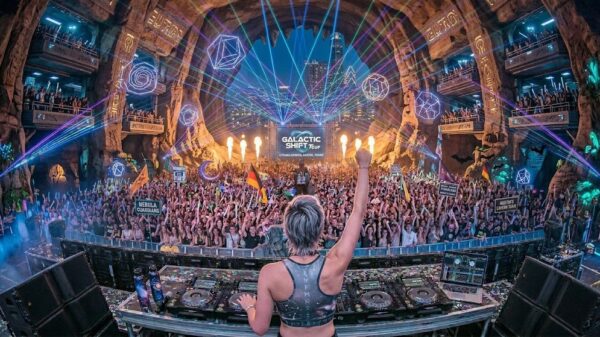

You're at a music festival.
The DJ drops a track. The crowd goes wild. Someone next to you screams, “This future bass is incredible!”
Wait… future bass? You thought this was just EDM.
You try to keep up with the conversation. Someone mentions “melodic dubstep” versus “riddim.” Another person argues whether this is “progressive house” or “big room.” A third insists it's actually “electro house.”
You realize: EDM isn't just one thing. It's an entire universe of genres, subgenres, and micro-genres.
And trying to understand the difference between house, techno, trance, dubstep, drum & bass, and the dozens of other styles feels like learning a new language.
This is the most confusing aspect of electronic dance music for newcomers.
You can enjoy the music without knowing the genres. But understanding the landscape helps you discover new artists, communicate with other fans, find the right playlists, and appreciate electronic music's incredible diversity.
This comprehensive guide breaks down every major EDM genre, explaining what defines each style, where it came from, what BPM range it occupies, key characteristics, notable artists, and how to recognize it when you hear it.
We'll cover:
- The major EDM genre families (House, Techno, Trance, Bass Music, etc.)
- 100+ subgenres and variations
- BPM ranges and tempo characteristics
- Geographic origins and cultural context
- How genres evolved and influenced each other
- How to identify genres by ear
- The difference between marketing terms and actual genres
Whether you're:
- A festival-goer wanting to understand what DJs are playing
- A new producer learning which genre to make
- A music fan exploring electronic music's depth
- Someone who just wants to know what “riddim” means
This guide will transform your understanding of electronic dance music's vast sonic landscape.
Let's decode the EDM genre matrix. 🎵
Before diving in, let's address the complexity:
Why Are There So Many EDM Genres?
Electronic music fragments into subgenres faster than any other music form because:
1. Production-Driven Differences Small changes in production techniques create distinct sounds worthy of new classifications
2. Geographic Variations Different cities/countries develop unique styles (Detroit techno, UK garage, French house)
3. Tempo Variations BPM changes create entirely different vibes and subgenres
4. Cultural Movements Scenes develop around specific sounds and aesthetics
5. Marketing and Branding Labels and promoters create genre names to differentiate their sound
How This Guide Is Organized
Genres grouped into major families:
- House Music Family (120-130 BPM)
- Techno Family (125-135 BPM)
- Trance Family (130-145 BPM)
- Bass Music Family (70-160 BPM, varies widely)
- Drum & Bass / Jungle Family (160-180 BPM)
- Hardstyle / Hardcore Family (150-200+ BPM)
- Downtempo / Chillout Family (60-110 BPM)
- Experimental / IDM Family (varies)
- Breakbeat Family (110-150 BPM)
Each family contains dozens of subgenres we'll explore.
The House Music Family (120-130 BPM)
House music is the foundation of modern EDM, originating in Chicago in the early 1980s. Characterized by four-on-the-floor kick drums, soulful samples, and repetitive structure.
Major House Subgenres:
1. Deep House
BPM: 115-125
Origin: Chicago/New York, mid-1980s
Characteristics:
- Soulful, atmospheric, jazzy
- Warm basslines and chord progressions
- Subtle, sophisticated production
- Often features soulful vocals
- Less aggressive than other house styles
Key Artists: Larry Heard (Mr. Fingers), Kerri Chandler, Moodymann, Disclosure, Duke Dumont
How to recognize it: Smooth, warm basslines, jazzy chords, sophisticated vibe, subtle drums
Subgenres: Soulful house, Jazz house, Afro house
2. Tech House
BPM: 125-130
Origin: UK/Europe, mid-1990s
Characteristics:
- Fusion of house groove with techno's mechanical elements
- Minimal, stripped-down production
- Driving basslines
- Less melodic than other house
- Hypnotic, loop-based
Key Artists: Green Velvet, Carl Cox, Fisher, Chris Lake, John Summit
How to recognize it: Minimal, driving, repetitive tech sounds, less melodic than progressive house
Popular in: Underground clubs, Ibiza, techno-leaning festivals
3. Progressive House
BPM: 125-130
Origin: UK, early 1990s
Characteristics:
- Building, evolving song structures
- Melodic and emotional
- Long breakdowns and builds
- Layered production
- “Progressive” = gradual development
Key Artists: Deadmau5, Eric Prydz, Sasha, John Digweed, Above & Beyond
How to recognize it: Long builds, emotional melodies, gradual progression, 7-10 minute tracks
Note: Modern “progressive house” often overlaps with “big room house” in festival contexts
4. Big Room House
BPM: 126-130
Origin: Netherlands/Sweden, late 2000s
Characteristics:
- Festival-oriented, anthem-focused
- Massive drops and buildups
- Simple, catchy melodies
- Designed for large crowds
- Minimal mid-track content (focus on drop)
Key Artists: Martin Garrix, Hardwell, Dimitri Vegas & Like Mike, KSHMR
How to recognize it: Massive drops, “festival sound,” big synth leads, simple structures
Peak era: 2012-2016 (the EDM boom)
5. Electro House
BPM: 125-130
Origin: Early 2000s, global
Characteristics:
- Heavy basslines and synth leads
- Aggressive, energetic
- Influenced by electro and Dutch house
- Harder edge than progressive house
Key Artists: Deadmau5, Wolfgang Gartner, Knife Party, Porter Robinson (early work)
How to recognize it: Aggressive synths, heavy bass, energetic drops
Note: Often confused with “big room house” in modern usage
6. Future House
BPM: 120-128
Origin: Netherlands, 2013-2014
Characteristics:
- Bouncy, modulated basslines
- Metallic, detuned synths
- Influenced by UK garage and deep house
- Groovier than big room
Key Artists: Oliver Heldens, Don Diablo, Tchami, Malaa
How to recognize it: Bouncy bass, metallic sounds, garage influence
7. Bass House
BPM: 125-130
Origin: UK, mid-2010s
Characteristics:
- Heavy, distorted basslines
- Influenced by UK bass and dubstep
- Aggressive but maintains house groove
- Wobble bass elements
Key Artists: JAUZ, AC Slater, Destructo, Habstrakt
How to recognize it: Heavy distorted bass, maintains four-on-the-floor, UK bass influence
8. Tropical House
BPM: 100-120
Origin: Mid-2010s
Characteristics:
- Relaxed, summery vibe
- Steel drums, marimbas, flutes
- Slower tempo than standard house
- Smooth, accessible
Key Artists: Kygo, Thomas Jack, Matoma, Sam Feldt
How to recognize it: Tropical instruments, relaxed vibe, slower tempo, beachy aesthetic
Peak: 2015-2017
9. French House / Filter House
BPM: 115-125
Origin: France, mid-1990s
Characteristics:
- Filtered disco samples
- Funky, groovy basslines
- Heavy use of filter sweeps
- Influenced by disco and funk
Key Artists: Daft Punk, Stardust, Cassius, Modjo, Justice
How to recognize it: Filtered samples, funky bassline, disco influence, sweeping filters
Defining tracks: “Music Sounds Better With You,” “Around the World”
10. Garage House / UK Garage
BPM: 130-135 (UK garage often faster)
Origin: US garage (1980s) / UK garage (1990s)
Characteristics:
- Syncopated, shuffled rhythms
- R&B vocal samples
- Not straight four-on-the-floor
- Skippy, swung feel
Key Artists: Todd Terry, Masters at Work (US garage), MJ Cole, Disclosure (UK garage)
How to recognize it: Shuffled rhythms, R&B vocals, skippy drums
Evolved into: Dubstep, grime, future garage
Additional House Subgenres:
Acid House: TB-303 bassline squelch, 1980s rave culture
Chicago House: Original house sound, 1980s foundation
Funky House: Funk-influenced, disco samples
Microhouse: Minimal, glitchy, experimental
Ghetto House: Chicago-based, sexually explicit vocals, fast
Hardbass: Russian/Eastern European, aggressive
The Techno Family (125-135 BPM)
Techno originated in Detroit in the mid-1980s, characterized by mechanical, futuristic sounds, repetitive structure, and minimal vocals.
Major Techno Subgenres:
1. Detroit Techno
BPM: 120-130
Origin: Detroit, mid-1980s
Characteristics:
- Original techno sound
- Soulful despite mechanical sounds
- Futuristic, sci-fi aesthetic
- Influenced by Kraftwerk and funk
Key Artists: Juan Atkins, Derrick May, Kevin Saunderson (The Belleville Three), Carl Craig
How to recognize it: Mechanical but soulful, futuristic sounds, Detroit roots
2. Minimal Techno
BPM: 125-130
Origin: Germany, 1990s
Characteristics:
- Stripped-down production
- Focus on subtle changes
- Repetitive, hypnotic
- Less is more philosophy
Key Artists: Richie Hawtin, Robert Hood, Ricardo Villalobos
How to recognize it: Extremely minimal, subtle variations, hypnotic repetition
3. Acid Techno
BPM: 130-140
Origin: Late 1980s
Characteristics:
- Roland TB-303 bassline (squelchy sound)
- Psychedelic, trippy
- Repetitive patterns
- Rave culture aesthetic
Key Artists: Hardfloor, 808 State, Plastikman
How to recognize it: Signature TB-303 squelch, psychedelic vibe
4. Industrial Techno
BPM: 130-140
Origin: Europe, 1990s
Characteristics:
- Dark, aggressive, harsh
- Distorted sounds
- Influenced by industrial music
- Raw, abrasive production
Key Artists: Surgeon, Regis, Ancient Methods, SNTS
How to recognize it: Dark, harsh, aggressive, distorted industrial sounds
5. Melodic Techno
BPM: 120-128
Origin: 2010s
Characteristics:
- Techno structure with melodic elements
- Emotional, atmospheric
- Progressive development
- Balance between minimalism and melody
Key Artists: Tale of Us, Stephan Bodzin, Adriatique, Artbat
How to recognize it: Techno drums with emotional melodies, atmospheric
Additional Techno Subgenres:
Dub Techno: Reggae/dub influence, atmospheric, echo-heavy
Tech Trance: Fusion of techno and trance
Hard Techno: 140-150 BPM, aggressive, pounding
Schranz: Very hard, fast techno (150+ BPM)
The Trance Family (130-145 BPM)
Trance emerged in Germany in the early 1990s, characterized by melodic, euphoric sounds, building breakdowns, and emotional peaks.
Major Trance Subgenres:
1. Progressive Trance
BPM: 128-138
Origin: Early 1990s
Characteristics:
- Gradual builds and progressions
- Melodic and emotional
- Longer tracks (8-10 minutes)
- Layered, evolving structures
Key Artists: Above & Beyond, Cosmic Gate, Aly & Fila
How to recognize it: Long builds, emotional melodies, progressive development
2. Uplifting Trance
BPM: 135-140
Origin: Mid-1990s
Characteristics:
- Euphoric, uplifting melodies
- Emotional breakdowns
- Peak-time festival energy
- “Hands in the air” moments
Key Artists: Armin van Buuren, Ferry Corsten, Aly & Fila, Andrew Rayel
How to recognize it: Euphoric melodies, emotional breakdowns, uplifting energy
3. Psytrance (Psychedelic Trance)
BPM: 135-150
Origin: Goa, India, early 1990s
Characteristics:
- Psychedelic, trippy sounds
- Complex layering
- Hypnotic, driving basslines
- Often nature/spiritual themes
Key Artists: Infected Mushroom, Astrix, Vini Vici
How to recognize it: Psychedelic sounds, complex layers, hypnotic bassline
Subgenres: Goa trance, Full-on, Dark psy, Progressive psy
4. Tech Trance
BPM: 130-138
Origin: Late 1990s
Characteristics:
- Fusion of techno and trance
- Harder, more mechanical than pure trance
- Less melodic, more driving
- Underground aesthetic
Key Artists: Marco V, Simon Patterson, John Askew
How to recognize it: Techno influence, harder edge, less euphoric than uplifting trance
Additional Trance Subgenres:
Vocal Trance: Features prominent vocals and lyrics
Hard Trance: 140-150 BPM, aggressive, pounding
Balearic Trance: Relaxed, Ibiza-influenced
Dream Trance: Atmospheric, dreamy, ethereal
The Bass Music Family (70-160 BPM)
Bass music encompasses genres emphasizing sub-bass frequencies and bass-driven production. Extremely diverse family with wide BPM range.
Major Bass Music Subgenres:
1. Dubstep
BPM: 140 (but half-time feel, so feels like 70)
Origin: South London, early 2000s
Characteristics:
- Heavy sub-bass (wobble bass)
- Half-time drums (snare on 3rd beat)
- Dark, sparse production
- Space and silence important
Key Artists (UK/original): Skream, Benga, Burial, Mala
Key Artists (US/brostep): Skrillex, Excision, Zomboy
How to recognize it: Wobble bass, half-time drums at 140 BPM, heavy sub-bass
Evolution: UK dubstep (2000s) → Brostep (US, 2010s) → Melodic dubstep (2010s+)
2. Brostep
BPM: 140
Origin: United States, 2010-2011
Characteristics:
- Aggressive, heavy drops
- “Screech” and “wub” bass sounds
- More aggressive than UK dubstep
- Festival-oriented
Key Artists: Skrillex, Excision, Flux Pavilion, Doctor P
How to recognize it: Aggressive drops, screeching synths, very heavy bass
Note: “Brostep” is sometimes used pejoratively by UK dubstep purists
3. Melodic Dubstep
BPM: 140-150
Origin: Mid-2010s
Characteristics:
- Emotional melodies
- Beautiful soundscapes
- Dubstep structure with uplifting feel
- Influenced by progressive house and trance
Key Artists: Seven Lions, Illenium, Said the Sky, Dabin
How to recognize it: Dubstep bass with emotional melodies, often features vocals
4. Riddim
BPM: 140-150
Origin: UK/US, early 2010s
Characteristics:
- Repetitive, simple bassline patterns
- Minimal, stripped-down
- Heavy emphasis on bass rhythm
- Often sounds “robotic”
Key Artists: Subtronics, Virtual Riot, SVDDEN DEATH, Excision
How to recognize it: Repetitive bass patterns, minimal, robotic sounds
5. Trap (Electronic)
BPM: 140-160 (but often feels slower due to spacing)
Origin: Southern US hip-hop → Electronic adaptation
Characteristics:
- Rolling hi-hats
- 808 bass kicks
- Hip-hop influence
- “Air horn” and vocal samples
Key Artists: RL Grime, Baauer, Flosstradamus, TNGHT
How to recognize it: Rolling hi-hats, 808 bass, hip-hop samples, “trap arms”
6. Future Bass
BPM: 130-160
Origin: Mid-2010s
Characteristics:
- Modulated, “wobbly” synths
- Emotional, uplifting
- Bright, colorful production
- Often features pitched vocals
Key Artists: Flume, Illenium, San Holo, Louis The Child
How to recognize it: Bright, modulated synths, emotional vibe, pitched vocals
7. Hybrid Trap
BPM: 140-160
Origin: Mid-2010s
Characteristics:
- Fusion of trap and dubstep
- Heavy bass from dubstep
- Hi-hats from trap
- Aggressive, festival-oriented
Key Artists: RL Grime, Ekali, What So Not
How to recognize it: Combines dubstep bass with trap hi-hats
8. Wave
BPM: 130-160
Origin: Late 2010s
Characteristics:
- Dark, emotional
- Influenced by trap and future bass
- Atmospheric, cinematic
- Often features distorted vocals
Key Artists: Skeler, Heimanu, Shadient
How to recognize it: Dark, atmospheric trap with emotional elements
9. Midtempo Bass
BPM: 90-115
Origin: Mid-2010s
Characteristics:
- Slower than most bass music
- Industrial, dark aesthetic
- Hypnotic basslines
- Cult-like following
Key Artists: REZZ, 1788-L, Tsuruda
How to recognize it: Slower tempo, industrial sounds, hypnotic bass
Additional Bass Music Subgenres:
Colour Bass: Experimental, vibrant sound design
Tearout: Aggressive, chaotic dubstep
Neurohop: Glitchy, neurofunk-influenced
Halftime: Half-tempo drum & bass (80-90 BPM feel)
The Drum & Bass / Jungle Family (160-180 BPM)
Drum & bass (D&B) originated in UK in early 1990s, characterized by fast breakbeats and heavy bass.
Major Drum & Bass Subgenres:
1. Liquid Drum & Bass
BPM: 170-180
Origin: Late 1990s/early 2000s
Characteristics:
- Smooth, melodic
- Soulful vocals and jazz influence
- Atmospheric, musical
- Less aggressive than other D&B
Key Artists: Calibre, High Contrast, Netsky, Logistics
How to recognize it: Smooth, melodic, soulful, atmospheric
2. Neurofunk
BPM: 170-180
Origin: Late 1990s
Characteristics:
- Dark, technical, futuristic
- Complex basslines
- “Neuro” = complex, scientific sound
- Aggressive but precise
Key Artists: Noisia, Phace, Black Sun Empire, Mefjus
How to recognize it: Dark, technical, complex bass, futuristic sound design
3. Jump-Up
BPM: 170-175
Origin: Mid-1990s
Characteristics:
- Energetic, bouncy basslines
- Party-oriented
- Simple, effective
- Crowd-pleasing
Key Artists: DJ Hazard, Original Sin, Macky Gee
How to recognize it: Bouncy bass, party vibe, energetic
4. Jungle
BPM: 160-180
Origin: UK, early 1990s (precursor to D&B)
Characteristics:
- Heavy reggae/ragga influence
- Complex breakbeats (Amen break)
- Sub-bass emphasis
- Often features MC vocals
Key Artists: Goldie, Roni Size, Congo Natty
How to recognize it: Reggae influence, complex breaks, Amen break samples
Additional D&B Subgenres:
Drumstep: Fusion of dubstep and drum & bass
Darkstep: Dark, aggressive, minimal
Techstep: Techno-influenced, dark, minimal
Sambass: Brazilian samba influence
The Hardstyle / Hardcore Family (150-200+ BPM)
Extremely fast, hard-hitting electronic music, popular in Netherlands and Europe.
1. Hardstyle
BPM: 150-160
Origin: Netherlands, early 2000s
Characteristics:
- Distorted kick drums (“reverse bass”)
- Melodic leads
- Euphoric or raw variations
- Popular in Netherlands
Key Artists: Headhunterz, Brennan Heart, Wildstylez, D-Block & S-te-Fan
How to recognize it: Distorted kicks, 150 BPM, melodic elements
2. Hardcore Techno
BPM: 160-200+
Origin: Rotterdam, early 1990s
Characteristics:
- Extremely fast
- Aggressive, distorted
- Industrial influence
- Rave culture
Key Artists: Angerfist, Mad Dog, Paul Elstak
How to recognize it: Extremely fast (160-200+ BPM), very aggressive
Subgenres: Gabber, Terror, Speedcore (200+ BPM)
3. Happy Hardcore
BPM: 160-180
Origin: UK/Netherlands, early 1990s
Characteristics:
- Fast but uplifting
- Pitched-up vocals
- Rave-influenced
- Euphoric melodies
Key Artists: Darren Styles, Dougal, Hixxy
How to recognize it: Fast, happy melodies, pitched vocals, euphoric
The Downtempo / Chillout Family (60-110 BPM)
Slower, more relaxed electronic music for listening rather than dancing.
1. Chillwave
BPM: 80-110
Origin: Late 2000s
Characteristics:
- Lo-fi, nostalgic production
- Dreamy, hazy
- Retro synths
- Internet-born genre
Key Artists: Washed Out, Toro y Moi, Neon Indian
How to recognize it: Lo-fi, dreamy, nostalgic, retro synths
2. Downtempo
BPM: 70-100
Origin: 1990s
Characteristics:
- Relaxed, chill
- Trip-hop influence
- Atmospheric
- Headphone music
Key Artists: Bonobo, Tycho, Thievery Corporation
How to recognize it: Slow, relaxed, atmospheric, chill
3. Trip-Hop
BPM: 80-110
Origin: UK, early 1990s
Characteristics:
- Hip-hop beats with electronic production
- Dark, atmospheric
- Often features vocals
- Bristol sound
Key Artists: Massive Attack, Portishead, Tricky
How to recognize it: Hip-hop influence, dark atmosphere, slow tempo
4. Ambient
BPM: Variable (often no clear beat)
Origin: 1970s (Brian Eno)
Characteristics:
- Atmospheric, textural
- Minimal or no rhythm
- Background music
- Meditative, spacious
Key Artists: Brian Eno, Aphex Twin (ambient works), Stars of the Lid
How to recognize it: No clear beat, atmospheric, spacious, textural
Additional Chillout Subgenres:
Vaporwave: Internet aesthetic, slowed samples, retro
Lo-Fi Hip-Hop: Study beats, relaxed, jazzy
Psybient: Psychedelic ambient
The Experimental / IDM Family
IDM (Intelligent Dance Music) – experimental electronic music emphasizing listening over dancing.
1. IDM
BPM: Variable
Origin: UK, early 1990s
Characteristics:
- Complex, experimental
- Not necessarily danceable
- Technical production
- Artistic rather than functional
Key Artists: Aphex Twin, Autechre, Boards of Canada, Squarepusher
How to recognize it: Complex, experimental, prioritizes artistry over danceability
2. Glitch
BPM: Variable
Origin: 1990s
Characteristics:
- Uses digital errors as aesthetic
- Skips, cuts, stutters
- Experimental sound design
- Minimal
Key Artists: Oval, Alva Noto, Fennesz
How to recognize it: Digital glitches, stutters, skips as musical elements
The Breakbeat Family (110-150 BPM)
Built on breakbeats (sampled drum breaks) rather than four-on-the-floor.
1. Big Beat
BPM: 120-140
Origin: UK, mid-1990s
Characteristics:
- Heavy breakbeats
- Rock influence
- Accessible, party-oriented
- Fatboy Slim era
Key Artists: The Chemical Brothers, Fatboy Slim, The Prodigy
How to recognize it: Heavy breaks, rock influence, 90s sound
2. UK Breakbeat / Breaks
BPM: 130-140
Origin: UK, 1990s
Characteristics:
- Breakbeat-focused
- Harder than big beat
- UK underground sound
Key Artists: Freestylers, Stanton Warriors, Krafty Kuts
How to recognize it: UK sound, breakbeats, underground vibe
How to Identify EDM Genres by Ear
Key identifying factors:
1. Tempo (BPM)
Fastest way to narrow down genre:
- 60-90 BPM: Downtempo, chillout, halftime
- 120-130 BPM: House (most subgenres)
- 125-135 BPM: Techno
- 130-145 BPM: Trance
- 140 BPM: Dubstep, trap (half-time feel)
- 150-160 BPM: Hardstyle
- 160-180 BPM: Drum & bass, jungle
- 180+ BPM: Hardcore, speedcore
2. Drum Pattern
Four-on-the-floor (kick on every beat): House, techno, trance
Half-time (snare on 3rd beat): Dubstep, trap
Breakbeats: Drum & bass, jungle, breaks
No clear pattern: Ambient, experimental
3. Bass Character
Deep, warm: Deep house
Wobble, modulated: Dubstep, riddim
Rolling, fast: Drum & bass
808 style: Trap, hip-hop influence
Distorted: Bass house, certain dubstep
4. Overall Vibe
Euphoric, uplifting: Trance, progressive house
Dark, aggressive: Dubstep, techno, neurofunk
Smooth, sophisticated: Deep house, liquid D&B
Energetic, party: Big room, electro house
Relaxed, chill: Downtempo, chillwave
Genre Evolution and Relationships
How genres influenced each other:
House → Tech House (added techno elements)
House → UK Garage → Dubstep (evolution through UK)
Techno + Trance → Tech Trance (fusion)
Dubstep + Trap → Hybrid Trap (fusion)
Drum & Bass + Dubstep → Drumstep (fusion)
House + R&B → Future Bass (melodic evolution)
Marketing Terms vs. Real Genres
Be aware of marketing language:
“EDM” – Marketing umbrella term for all electronic dance music
“Future X” – Often just modern version of existing genre
“Melodic X” – Adding melodies to established genre
“Progressive X” – Often just means “new/evolving”
Frequently Asked Questions
What's the difference between house and techno?
House music (120-130 BPM) originated in Chicago with soulful, disco influences, warm basslines, and often features vocals. Techno (125-135 BPM) originated in Detroit with mechanical, futuristic sounds, minimal vocals, and colder, more industrial aesthetics. House grooves; techno drives. Both use four-on-the-floor beats but have different vibes and production approaches.
What does BPM mean and why does it matter?
BPM (Beats Per Minute) measures tempo. It's crucial for identifying genres: house is 120-130, dubstep is 140 (half-time), drum & bass is 170-180. BPM determines energy level and danceability. DJs match BPMs when mixing tracks. Knowing BPM helps you understand genre boundaries and find similar music.
What's the difference between dubstep and brostep?
Original UK dubstep (early 2000s) emphasized space, sub-bass, and minimalism with influences from UK garage and 2-step. Brostep (US, 2010s) made dubstep aggressive with “screech” bass, heavy drops, and festival focus. Skrillex popularized brostep. UK dubstep fans often dislike the brostep label, seeing it as Americanized commercialization of their underground sound.
Why are there so many house music subgenres?
House music is foundational and widespread, so it naturally fragmented based on: geographic location (Chicago, Detroit, UK, France), tempo variations (deep house slower, tech house faster), production style (progressive vs. minimal), and cultural movements (tropical house, future house). Each variation created distinct enough sounds to warrant subgenre classification.
Is trance still popular?
Trance remains popular but is less mainstream than in the early 2000s peak. It has a dedicated global following, particularly in Europe, with major festivals like Dreamstate. Psytrance (psychedelic trance) has seen renewed interest. While big room house dominated mid-2010s festivals, trance maintains strong underground and dedicated festival presence.
What genre is most popular right now?
As of 2024-2025, bass music (melodic dubstep, future bass), tech house, and melodic techno dominate. House music generally remains most popular globally. Trends shift: big room peaked 2012-2016, tropical house peaked 2015-2017, bass music currently strong. Tech house dominates European clubs while bass music dominates US festivals.
How do I know what genre to produce?
Choose based on: what you genuinely enjoy listening to (passion matters), what fits your musical skills (melodic vs. technical), what gear/software you have access to, and what scene you want to join. Don't chase trends—genres cycle in popularity. Start with what excites you, study that genre deeply, and develop your unique voice within it.
Can songs be multiple genres?
Yes. Modern electronic music increasingly blends genres. A track might be “melodic dubstep with future bass elements” or “progressive house with trance influence.” Genre purists may disagree on classifications. Marketing often uses multiple genre tags. The best music often transcends single-genre classification.
What's the fastest/slowest EDM genre?
Fastest: Speedcore (200-1000+ BPM), Extratone (1000+ BPM)—extreme hardcore subgenres. Mainstream fastest: Drum & bass (170-180 BPM). Slowest: Ambient (often no clear beat), Downtempo (60-80 BPM), Lo-fi hip-hop (70-90 BPM). Most EDM falls between 120-150 BPM.
Do DJs only play one genre?
Traditionally, yes—techno DJs played techno, house DJs played house. Modern DJs increasingly cross genres, especially at mainstream festivals. Underground/club DJs typically specialize in specific genres or closely related styles. Genre specialists are respected for deep knowledge, while versatile DJs appeal to broader audiences.
Conclusion: The Ever-Expanding EDM Universe
Electronic dance music is not one thing—it's hundreds of distinct styles, each with unique characteristics, cultural context, and devoted followings.
From house music's soulful Chicago roots to techno's Detroit mechanical precision, from dubstep's UK underground origins to trance's euphoric European anthems, from drum & bass's breakneck speeds to downtempo's relaxed atmospheres—every genre serves a purpose and creates a community.
Understanding genres helps you:
- Discover new music more efficiently
- Communicate with other fans and DJs
- Appreciate electronic music's diversity
- Find your musical identity as listener or producer
- Navigate festivals and club nights
- Understand electronic music's history and evolution
But here's the truth: genres are tools, not boundaries.
The best electronic music often blurs genre lines, combining elements to create something new. Producers who understand genre conventions can break them intentionally. Listeners who know the landscape can appreciate innovation.
Don't let genre classifications limit your exploration.
Use them as maps, not walls. Start with genres that resonate, then follow the threads to related styles. Appreciate deep house's sophistication AND brostep's aggression. Enjoy melodic trance AND experimental IDM.
Because the beauty of electronic dance music is its infinite variety.
There's a genre for every mood, every moment, every person.