


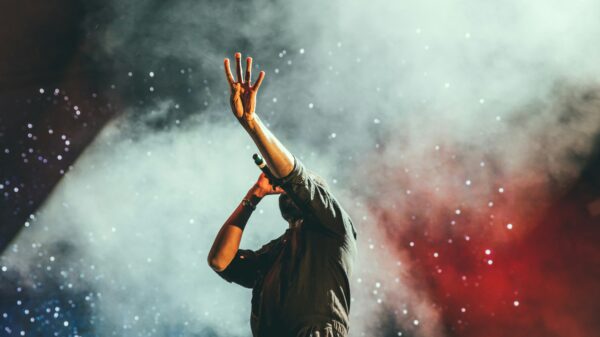


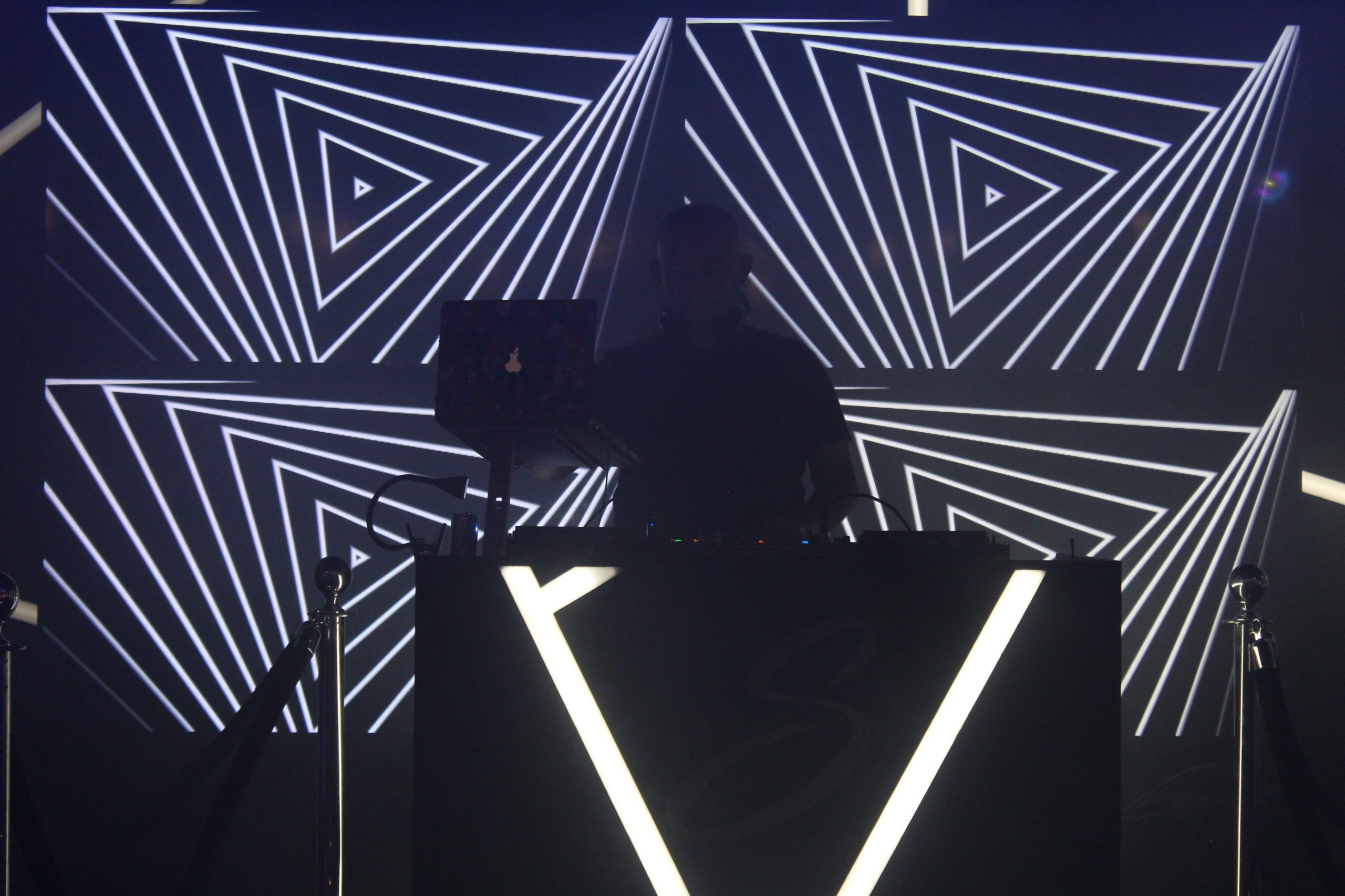
You're at a festival. The crowd is packed.
The DJ builds tension. Sparse drums. Eerie atmosphere. A wobbling bassline teases underneath. The energy is coiling, tightening, ready to explode.
Then the drop hits.
The bass physically shakes your chest. Wobbling, modulated frequencies you feel more than hear. The crowd erupts. Half-time drums that feel both slow and intense. Space and silence punctuated by devastating bass impacts.
This is dubstep.
But if you tried to explain what just happened to someone who wasn't there, you'd struggle. “It's… bass music? With wobbly sounds? That drops really hard?”
Because dubstep is one of electronic music's most misunderstood genres.
To some, it's Skrillex's aggressive “wub-wub” sounds that dominated the early 2010s. To others, it's the dark, minimal UK underground sound from London's FWD>> nights. To many, it's just “that screaming robot music.”
The truth: Dubstep is all of these things and none of them.
It's a genre that evolved from UK garage, exploded into mainstream consciousness, fractured into competing visions, and fundamentally changed how electronic music uses bass. It's simultaneously one of the most influential and most divisive genres in EDM history.
This comprehensive guide breaks down everything you need to know about dubstep, from its South London origins to its global evolution, from the technical production elements to the cultural movements it spawned.
We'll cover:
- What dubstep actually is (musical definition)
- Where it came from (UK garage, 2-step, grime)
- What makes it sound like dubstep (tempo, bass, production)
- The great divide (UK dubstep vs. brostep)
- Key artists who shaped the genre
- Subgenres and evolution
- Why it changed electronic music forever
- How to recognize dubstep when you hear it
Whether you're:
- New to dubstep and trying to understand the hype
- A festival-goer wondering what you're actually hearing
- A producer learning the genre's DNA
- Someone who thinks they hate dubstep (you might like the original UK sound)
- Curious about electronic music history
This guide will decode dubstep from its underground roots to its global impact.
Let's dive into the bass.
What Is Dubstep? The Simple Definition
Dubstep is a genre of electronic dance music characterized by heavy sub-bass, half-time drums, sparse arrangements, and a tempo around 140 BPM that feels like 70 BPM.
Core elements:
- Tempo: 140 BPM (but half-time drums make it feel slower)
- Bass: Deep sub-bass frequencies, often modulated (“wobble bass”)
- Rhythm: Snare or clap on the 3rd beat (not on 2 and 4 like house)
- Space: Sparse, minimalist production with silence between elements
- Structure: Emphasis on “the drop” where bass and rhythm intensify
Simple explanation: Electronic music that emphasizes bass frequencies you feel in your chest, uses dramatic buildups and drops, and creates impact through space and silence as much as sound.
The Birth of Dubstep: South London, Early 2000s
Dubstep didn't appear out of nowhere. It evolved from existing UK electronic music scenes.
The UK Garage Foundation (Late 1990s)
UK garage was the parent genre:
Characteristics:
- 130-135 BPM tempo
- Syncopated, “skippy” rhythms
- R&B vocal samples
- Lighter, more uplifting than dubstep
Key to dubstep's birth: UK garage producers started experimenting with:
- Darker, moodier atmospheres
- Heavier basslines
- Stripping away vocal samples
- Slowing down the energy while keeping the tempo
The 2-Step Connection
2-step garage was a subgenre of UK garage with:
- Broken, syncopated rhythms (not four-on-the-floor)
- Emphasis on the off-beats
- Space in the production
Dubstep borrowed 2-step's rhythmic approach but made it darker, slower-feeling, and bass-heavier.
South London: The Geographic Birthplace
Specific locations matter:
Croydon, South London – Where many early dubstep producers lived and created FWD>> nights at Plastic People – The legendary club night (started 2001) where dubstep coalesced Big Apple Records – Record shop that became the scene's hub
Key early figures:
- Hatcha – DJ who championed the sound at FWD>>
- Skream (Oliver Jones) – Producer from Croydon, one of dubstep's founders
- Benga (Adegbenga Adejumo) – Another Croydon producer, Skream's childhood friend
- Digital Mystikz (Mala and Coki) – Duo that defined dubstep's dark, minimal aesthetic
- Loefah – Producer and DMZ label co-founder
2002-2005: The Genre Crystallizes
How “dubstep” got its name:
The term “dubstep” emerged around 2002, combining:
- “Dub” – Referring to Jamaican dub reggae's bass-heavy, echo-drenched production (major influence)
- “Step” – From 2-step garage
Early tracks that defined the sound:
- Skream – “Midnight Request Line” (2005) – The track that brought dubstep to wider attention
- Benga & Coki – “Night” (2007) – Showcased the dark, minimal aesthetic
- Digital Mystikz – “Ancient Memories” (2006) – Deep, meditative dubstep
The DMZ club night (started 2005) became dubstep's spiritual home, focusing on:
- Massive sound systems
- Reverential listening (not just party atmosphere)
- Dark, minimal productions
- Sub-bass that physically moved you
What Makes Dubstep Sound Like Dubstep?
Technical breakdown of the genre's defining characteristics:
1. Tempo and Rhythm: The Half-Time Feel
The dubstep paradox:
Actual tempo: ~140 BPM (quite fast)
Feels like: ~70 BPM (quite slow)
How? Half-time drums.
In most dance music:
- Kick drum: Beats 1, 2, 3, 4
- Snare: Beats 2 and 4
In dubstep:
- Kick drum: Beat 1 (and sometimes beat 3)
- Snare/clap: Beat 3 (the defining element)
This creates:
- Slow, heavy feeling despite fast tempo
- Space between drum hits
- Impact when the snare lands on 3
- Room for bass to dominate
Listen for: The snare hitting on the third beat creates that characteristic dubstep swagger.
2. Sub-Bass: The Foundation
Dubstep is fundamentally about bass.
Sub-bass frequencies:
- 20-80 Hz range (the lowest audible frequencies)
- Felt in your chest more than heard
- Requires proper sound system or headphones to experience fully
- Can't be reproduced on laptop speakers or phone speakers
Why sub-bass matters:
- Creates physical sensation of music
- Differentiates dubstep from other bass-heavy genres
- Designed for club sound systems with massive subwoofers
- The “wobble” happens in sub-bass frequencies
Production technique:
- Sine wave sub-bass (pure, clean low frequency)
- Usually tuned to specific notes (musical, not just noise)
- Often sidechained to kick drum (ducks out when kick hits)
- The foundation everything else builds on
3. The Wobble Bass (LFO Modulation)
Dubstep's most recognizable element:
What is wobble bass?
- Bassline with modulated filter or pitch
- Creates “wub-wub” or “wah-wah” sound
- Rhythmic movement in the bass itself
How it's made:
- Low Frequency Oscillator (LFO) modulates a filter cutoff
- Filter opens and closes rhythmically
- Can be synced to tempo for rhythmic wobbles
- Different waveforms create different wobble characters
Types of wobbles:
- Slow wobble: Smooth, hypnotic (early UK dubstep)
- Fast wobble: Aggressive, mechanical (brostep)
- Growl: Distorted, aggressive (Skrillex-style)
- Transformer: Pitched, talking-like quality
Not all dubstep has wobble bass, but it's the sound most people associate with the genre.
4. Space and Minimalism
Early dubstep was defined by what it DIDN'T have:
Minimal elements:
- Few simultaneous sounds
- Long stretches of just drums and bass
- Silence used as compositional tool
- No constant melodic elements
- Space for individual sounds to breathe
Why minimalism matters:
- Emphasizes each sound's impact
- Creates tension and anticipation
- Makes the bass more prominent
- Allows club sound systems to deliver maximum impact
- Influenced by Jamaican dub's spacious production
Contrast with later dubstep:
- Brostep filled the space with multiple bass sounds
- Melodic dubstep added constant melodic elements
- But original dubstep was about restraint
5. Dark, Atmospheric Sound Design
Dubstep's sonic palette:
Common sounds:
- Dark, minor-key atmospheres
- Reverb-heavy ambience
- Metallic, industrial textures
- Vinyl crackle and noise
- Sci-fi/horror movie influences
- UK garage vocal samples (chopped and manipulated)
Mood:
- Dark, brooding, menacing
- Urban, nocturnal aesthetic
- Influenced by London's grime and UK garage scenes
- Not aggressive (in early form), but serious and deep
6. The Drop Structure
Dubstep popularized the build-drop structure:
Typical dubstep track structure:
Intro (0:00-0:30):
- Atmospheric sounds
- Minimal drums
- Establishing mood
Build/Breakdown (0:30-1:00):
- Adding elements
- Tension increases
- Drums may drop out
- Anticipation builds
Drop (1:00-1:45):
- Full drums enter
- Bass drops
- Main section with wobbles/rhythm
- Maximum energy and impact
Break (1:45-2:15):
- Elements stripped back
- Breathing room
- Rebuild begins
Second Drop (2:15-3:00):
- Variation on first drop
- Often more intense or different bass pattern
Outro (3:00-end):
- Wind down
- Elements removed
- Return to atmosphere
The drop became dubstep's signature, influencing all of EDM's approach to dynamics and structure.
The Great Divide: UK Dubstep vs. Brostep
Dubstep fractured into competing visions around 2010-2011:
UK Dubstep (Original/Underground)
Characteristics:
- Sound: Dark, minimal, deep sub-bass
- Tempo feel: Slow, meditative, hypnotic
- Bass: Clean wobbles, sub-bass emphasis
- Atmosphere: Serious, reverential, underground
- Volume: Loud but spacious
- Culture: London clubs, sound system culture, vinyl releases
Key artists:
- Skream, Benga, Digital Mystikz (Mala, Coki)
- Loefah, Burial, Kode9
- Kromestar, Cluekid, J:Kenzo
Philosophy:
- Quality sound systems over stadium crowds
- Minimalism and space
- Connection to UK garage and grime
- Underground credibility over mainstream success
Defining tracks:
- Skream – “Midnight Request Line”
- Burial – “Archangel”
- Digital Mystikz – “Ancient Memories”
- Benga – “Night”
Brostep (American/Mainstream)
Characteristics:
- Sound: Aggressive, maximal, mid-range heavy
- Tempo feel: Fast, energetic, aggressive
- Bass: Screeching “wub” sounds, distorted growls
- Atmosphere: Party-oriented, festival-ready
- Volume: Extremely loud, compressed
- Culture: American festivals, EDM boom, digital releases
Key artists:
- Skrillex (the face of brostep)
- Excision, Datsik, Doctor P
- Flux Pavilion, Zomboy, Virtual Riot
Philosophy:
- Festival energy over club intimacy
- Maximalism and aggression
- Crossover appeal with rock/metal fans
- Mainstream commercial success
Defining tracks:
- Skrillex – “Scary Monsters and Nice Sprites
- Flux Pavilion – “I Can't Stop”
- Excision – “The Paradox
- Doctor P – “Sweet Shop”
The Controversy
UK dubstep purists felt brostep:
- Missed the point of dubstep's minimalism
- Prioritized aggression over depth
- Commercialized and diluted the sound
- Appealed to mainstream audiences unfamiliar with origins
Some UK artists refused to call brostep “dubstep” at all.
Brostep defenders argued:
- Music evolves and that's natural
- Brought dubstep to millions of new fans
- Created exciting festival experiences
- Pushed production techniques forward
The term “brostep” was often used pejoratively by UK dubstep fans to describe the American variant.
Reality: Both are valid expressions of dubstep's DNA, serving different purposes for different audiences.
Key Dubstep Artists and Their Contributions
Pioneers (UK, 2002-2008)
Skream (Oliver Jones)
- Contribution: One of dubstep's founding fathers
- Sound: Dark, minimal, sub-bass focused
- Key tracks: “Midnight Request Line,” “Dutch Flowerz,” “Rutten”
- Legacy: Helped define early dubstep sound, later moved to house/techno
Benga (Adegbenga Adejumo)
- Contribution: Co-founder of dubstep with Skream
- Sound: Rhythmic, tribal influences, powerful sub-bass
- Key tracks: “Night,” “26 Basslines,” “Crunked Up”
- Legacy: First dubstep album to chart in UK top 40
Digital Mystikz (Mala & Coki)
- Contribution: Defined dubstep's meditative, serious aesthetic
- Sound: Deep, spiritual, reggae-influenced
- Key tracks: “Ancient Memories,” “Haunted,” “Goblin”
- Legacy: DMZ club night and label, showed dubstep's depth
Burial (William Bevan)
- Contribution: Brought emotional, atmospheric dimension
- Sound: Melancholic, ghostly, nocturnal London
- Key tracks: “Archangel,” “Ghost Hardware,” “Etched Headplate”
- Legacy: Untrue album is one of electronic music's most acclaimed
Evolution Era (2008-2011)
Skrillex (Sonny Moore)
- Contribution: Brought dubstep to mainstream America
- Sound: Aggressive, mid-range screeches, complex sound design
- Key tracks: “Scary Monsters and Nice Sprites,” “First of the Year,” “Bangarang”
- Legacy: 8 Grammy Awards, made dubstep globally famous, defined brostep
Flux Pavilion (Joshua Steele)
- Contribution: Circus Records, accessible dubstep
- Sound: Melodic elements with heavy bass
- Key tracks: “I Can't Stop,” “Bass Cannon,” “Gold Dust”
- Legacy: Bridged UK and US sounds
Excision (Jeff Abel)
- Contribution: Extreme bass music, festival culture
- Sound: Extremely heavy, aggressive, headbanger-oriented
- Key tracks: “The Paradox,” “Robo Kitty,” “Shambhala”
- Legacy: Massive festival production, bass music culture
Modern Era (2012-Present)
Virtual Riot (Christian Brunn)
- Contribution: Technical production mastery
- Sound: Complex sound design, melodic elements
- Key tracks: “Energy Drink,” “The Recall,” “In My Head”
- Legacy: Pushed dubstep production to new technical heights
Seven Lions (Jeff Montalvo)
- Contribution: Melodic dubstep pioneer
- Sound: Trance-dubstep fusion, emotional
- Key tracks: “Strangers,” “Worlds Apart,” “Rush Over Me”
- Legacy: Created melodic dubstep subgenre
Subtronics (Jesse Kardon)
- Contribution: Modern riddim and bass music
- Sound: Heavy, wonky, festival-oriented
- Key tracks: “Griztronics,” “Wooked on Tronics,” “Withdrawal”
- Legacy: Represents modern dubstep evolution
Dubstep Subgenres and Variations
Dubstep splintered into numerous subgenres:
1. Melodic Dubstep
Characteristics:
- Emotional, uplifting melodies
- Beautiful soundscapes
- Dubstep bass structure
- Trance and progressive house influences
Key artists: Seven Lions, Illenium, Said the Sky, Dabin
Appeal: Combines dubstep impact with emotional melodies
2. Riddim
Characteristics:
- Repetitive, minimal bass patterns
- Robotic, mechanical sounds
- Stripped-down approach
- Emphasis on bass rhythm over melody
Key artists: Subtronics, Virtual Riot (riddim tracks), SVDDEN DEATH, Excision
Appeal: Back to minimalism but with modern production
3. Tearout
Characteristics:
- Extremely aggressive
- Chaotic, abrasive sounds
- Fast-paced arrangement changes
- “Ripping” or “tearing” sound design
Key artists: Phiso, Marauda, Code: Pandorum
Appeal: Most extreme form of dubstep
4. Deep Dubstep
Characteristics:
- Returns to original UK sound
- Minimal, meditative
- Sub-bass emphasis
- Atmospheric, serious
Key artists: Mala (still active), Truth, Commodo, Sicaria Sound
Appeal: Maintains dubstep's original vision
5. Colour Bass
Characteristics:
- Vibrant, colorful sound design
- Complex, layered bass tones
- Experimental approach
- Technical production
Key artists: Virtual Riot, Chime, Au5, Ace Aura
Appeal: Artistic, innovative bass music
6. Deathstep
Characteristics:
- Metal and hardcore influences
- Extremely aggressive
- Distorted, grinding bass
- Dark, violent aesthetic
Key artists: Code: Pandorum, Borgore (early work), Celldweller
Appeal: Dubstep for metal fans
How to Recognize Dubstep When You Hear It
Quick identification guide:
Tempo Test
Count the BPM:
- If it's around 140 BPM (fast) but feels slow = likely dubstep
- The half-time drum pattern is the giveaway
Listen for: The snare hitting on the third beat, not the second and fourth
Bass Test
What kind of bass do you hear?
- Deep sub-bass you feel in your chest = dubstep
- Wobbling, modulated bassline = dubstep (especially brostep)
- Clean, simple bass = probably not dubstep
Structure Test
Does the track:
- Build tension then “drop” dramatically?
- Have space and silence between elements?
- Emphasize bass over other elements?
If yes: Probably dubstep or related bass music
Vibe Test
What's the mood?
- Dark, serious, underground = UK dubstep
- Aggressive, party-oriented, festival energy = brostep
- Emotional, melodic, uplifting = melodic dubstep
Why Dubstep Changed Electronic Music Forever
Dubstep's lasting impact on EDM:
1. Popularized the Build-Drop Structure
Before dubstep:
- Electronic music had builds and releases
- But not as pronounced or formula-driven
After dubstep:
- Build-drop became EDM's dominant structure
- Influenced big room house, trap, future bass
- Every genre adopted dubstep's dynamics
2. Made Bass Music Mainstream
Before dubstep:
- Bass-heavy genres were underground (drum & bass, jungle)
- Mainstream EDM was house and trance
After dubstep:
- Sub-bass became acceptable in pop music
- Trap, future bass, bass house all followed
- Festivals prioritized bass music
3. Introduced New Production Techniques
Technical innovations:
- FM synthesis for aggressive bass sounds
- Advanced LFO modulation
- Multiband compression for loudness
- Sound design as primary compositional element
Every producer learned from dubstep, even if they didn't make the genre.
4. Changed Festival Culture
Dubstep's festival impact:
- Made headbanging acceptable at electronic shows
- Popularized “mosh pits” at EDM festivals
- Created bass-music-specific festivals (Lost Lands, Bass Canyon)
- Influenced stage production (heavier sound systems)
5. Proved Electronic Music's Mainstream Potential
Skrillex's success showed:
- Electronic producers could win Grammys
- EDM could chart on Billboard
- Alternative electronic music could be commercially successful
- Producers could be stars (not just DJs)
Common Dubstep Misconceptions
Setting the record straight:
Myth: All Dubstep Sounds Like Skrillex
Reality: Skrillex represents one evolution (brostep). Original UK dubstep sounds completely different—minimal, deep, meditative. Melodic dubstep, riddim, and deep dubstep all sound distinct.
Myth: Dubstep is Just Random Noise
Reality: Dubstep is highly structured with specific tempo, rhythm patterns, and bass tuning. What sounds chaotic is actually carefully designed sound synthesis following musical theory.
Myth: Dubstep Killed Real Music
Reality: Dubstep is as “real” as any music, requiring extensive technical knowledge, musical theory, and creative vision. Producing dubstep is as complex as playing traditional instruments.
Myth: Dubstep is Dead
Reality: While brostep's mainstream peak was 2010-2014, dubstep evolved into numerous thriving subgenres. Deep dubstep, riddim, melodic dubstep, and colour bass all have dedicated followings and active scenes.
Myth: You Need Drugs to Enjoy Dubstep
Reality: Dubstep's appeal comes from powerful sound systems, rhythmic impact, and emotional resonance. While some fans use substances, the music is designed for impact regardless.
Frequently Asked Questions
What does “dubstep” mean and where did the name come from?
“Dubstep” combines “dub” (from Jamaican dub reggae, which influenced the genre's bass-heavy, spacious production) and “step” (from 2-step garage, dubstep's direct predecessor). The term emerged around 2002 in South London as producers created darker, bass-heavier variations of UK garage. The name references both the reggae/dub influence and the 2-step rhythmic foundation.
What BPM is dubstep and why does it feel slow?
Dubstep is typically 140 BPM (quite fast), but uses “half-time” drums that make it feel like 70 BPM (quite slow). In standard dance music, the snare hits on beats 2 and 4; in dubstep, the snare hits on beat 3 only. This creates a slow, heavy swagger despite the fast tempo, giving dubstep its characteristic laid-back but powerful feel.
What's the difference between dubstep and brostep?
Original dubstep (UK, early 2000s) emphasized minimalism, deep sub-bass, space, and dark atmospheres for club sound systems. Brostep (US, 2010s) is more aggressive, maximal, mid-range heavy, and festival-oriented. Think Burial vs. Skrillex. Both share dubstep's tempo and half-time drums but differ in production philosophy, cultural context, and sonic approach. The term “brostep” was initially pejorative but became accepted.
Who invented dubstep?
Dubstep emerged collectively from South London's electronic music scene, but key pioneers include Skream, Benga, and Digital Mystikz (Mala and Coki) around 2002-2005. DJ Hatcha championed the sound at FWD>> club nights. No single person “invented” it—dubstep evolved from UK garage and 2-step through experimentation by multiple producers in Croydon and surrounding areas.
Is dubstep still popular or is it dead?
Dubstep evolved rather than died. Mainstream brostep peaked 2010-2014, but dubstep fragmented into thriving subgenres: melodic dubstep (Seven Lions, Illenium), riddim (Subtronics, Excision), deep dubstep (UK underground), and colour bass (Virtual Riot). Bass music festivals like Lost Lands sell out. While not as mainstream as its peak, dubstep remains vital in electronic music.
What equipment do you need to make dubstep?
Essential: Computer, DAW (Digital Audio Workstation like FL Studio, Ableton, or Logic), synthesizers (Serum, Massive, FM8 for bass sounds), and quality headphones or monitors. Optional but helpful: MIDI keyboard, audio interface, better speakers. Most dubstep is produced entirely “in the box” (digitally) without hardware synthesizers, making it accessible to bedroom producers.
Why does dubstep bass “wobble” and how is it made?
The “wobble” comes from Low Frequency Oscillator (LFO) modulation applied to a synthesizer's filter cutoff. As the LFO oscillates, it opens and closes the filter rhythmically, creating the “wub-wub” sound. Different LFO shapes (sine, square, saw) create different wobble characters. The technique can be tempo-synced for rhythmic wobbles or run freely for organic movement. It's dubstep's signature sound.
Can you play dubstep on regular speakers or do you need a subwoofer?
Dubstep's fundamental element is sub-bass (20-80 Hz), which requires a subwoofer or large speakers to reproduce properly. Laptop speakers and phone speakers cannot produce these frequencies. You can hear dubstep on any system, but you won't feel the chest-vibrating bass impact that defines the genre without proper low-frequency reproduction. Quality headphones partially substitute for subwoofers.
What's the difference between dubstep and drum & bass?
Both are UK bass music genres but differ significantly: Dubstep is 140 BPM with half-time drums (feels like 70 BPM), emphasizes sub-bass and space, and has a slower, heavier vibe. Drum & Bass is 160-180 BPM with full-time breakbeats, faster and more energetic. Think slow head-nodding (dubstep) vs. fast dancing (D&B). Both originated in UK but evolved from different sources.
Why do people say Skrillex “ruined” dubstep?
UK dubstep purists felt Skrillex's aggressive, mid-range-heavy “brostep” strayed from dubstep's original minimal, deep aesthetic. They argued it commercialized and diluted the genre's artistic vision. However, Skrillex brought dubstep to millions globally, won Grammys, and inspired countless producers. Whether he “ruined” or “revolutionized” dubstep depends on whether you value underground authenticity or mainstream evolution. Both perspectives are valid.
Conclusion: Dubstep's Lasting Legacy
Dubstep is more than “that wub-wub music.”
It's a genre born in South London basements and club nights, built on sub-bass frequencies that make your chest vibrate, structured around space and silence as much as sound, and designed for massive sound systems that could deliver physical impact.
It evolved from UK garage's skippy rhythms into something darker, heavier, and more meditative. Then it exploded globally, fragmenting into aggressive brostep, emotional melodic dubstep, minimal riddim, and numerous other variations.
Dubstep fundamentally changed electronic music:
- Popularized the build-drop structure now ubiquitous in EDM
- Made bass music mainstream after decades underground
- Introduced production techniques adopted across genres
- Proved electronic producers could achieve rock-star status
- Created dedicated bass music festival culture
Whether you prefer:
- Burial's haunting, melancholic atmospheres
- Skrillex's aggressive, festival-destroying drops
- Seven Lions' emotional melodic journeys
- Digital Mystikz's deep, meditative bass pressure
You're experiencing different branches of dubstep's evolutionary tree.
And that's the genre's beauty: It's not one thing.
Dubstep is minimalism and maximalism. Underground and mainstream. Meditation and aggression. UK basements and American festivals. Past and present.
It's bass music designed to be felt, not just heard.
So next time you feel your chest vibrate from sub-bass frequencies, recognize you're experiencing dubstep's fundamental innovation: making music a physical experience.
That revolution—from sound to sensation—is dubstep's permanent contribution to electronic music.